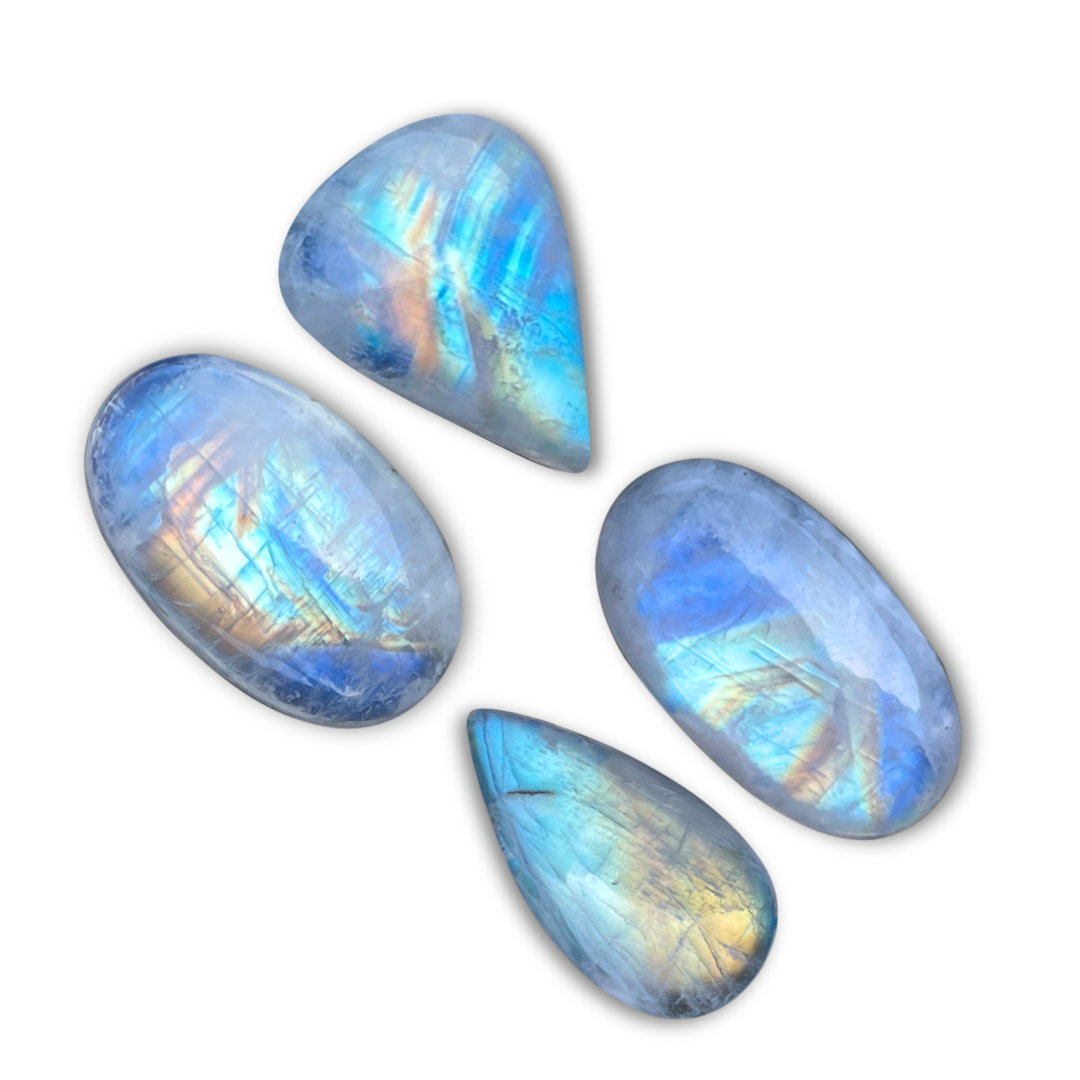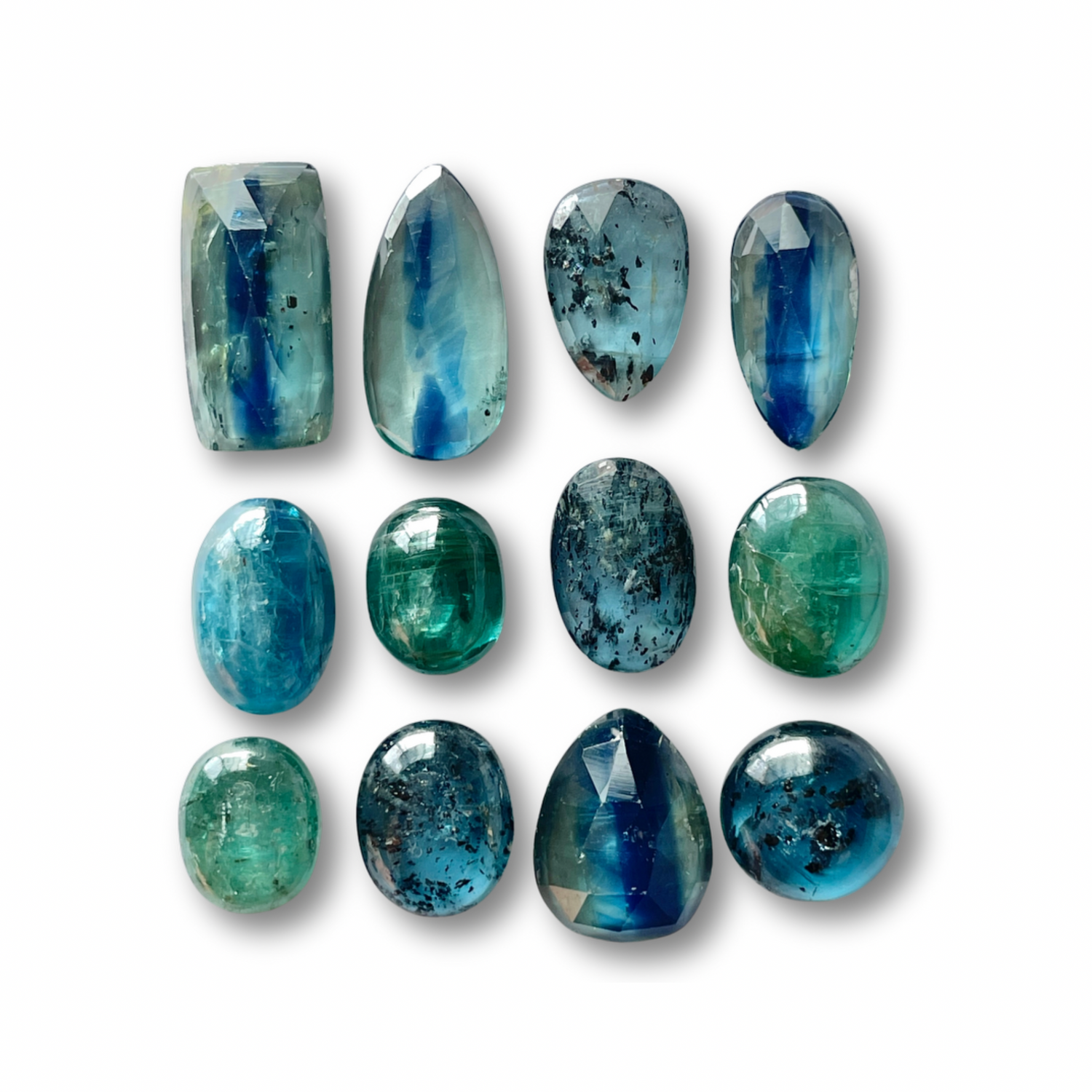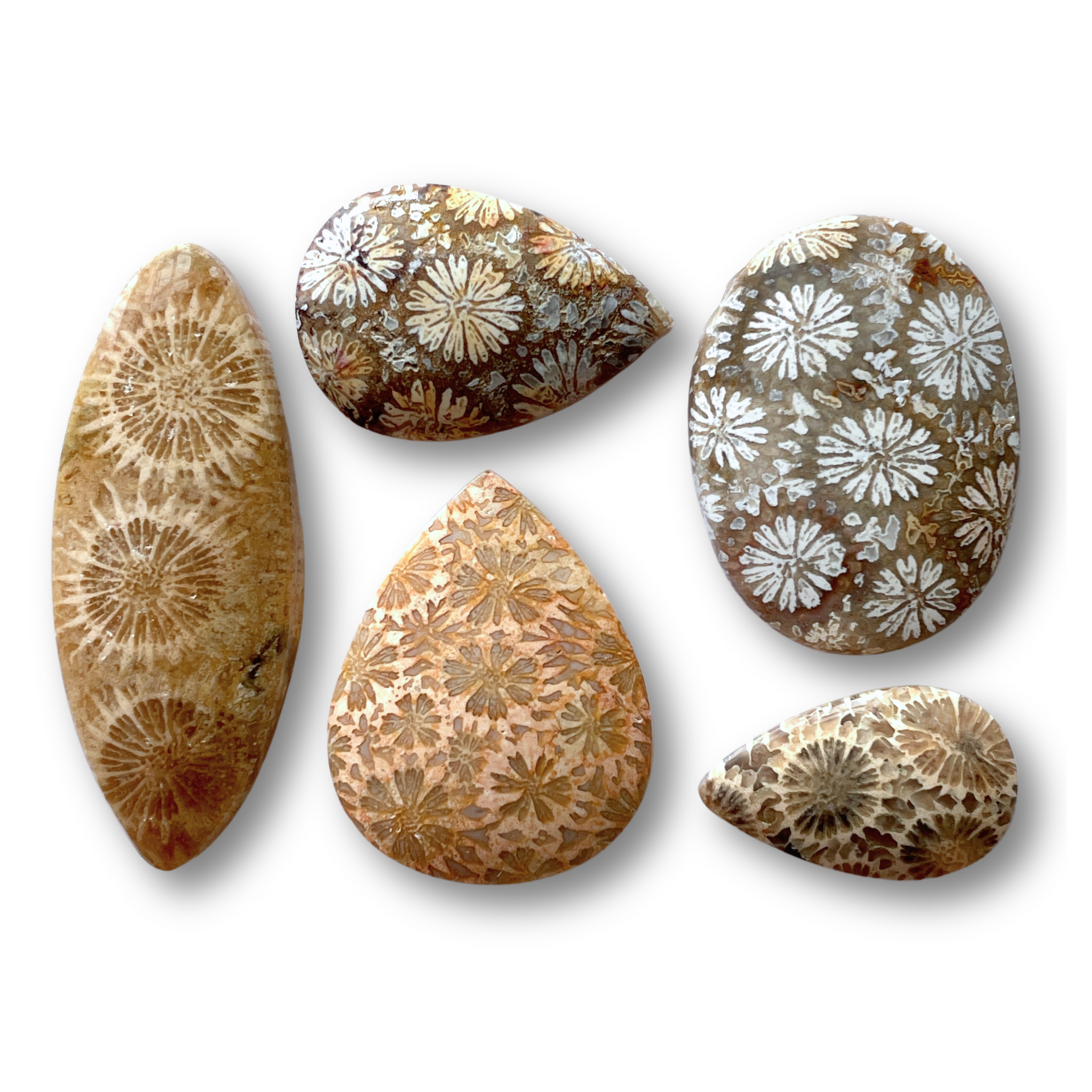

How to Spot a Well-Cut Cabochon (and Why It Matters at the Bench)
How to Spot a Well-Cut Cabochon (and Why It Matters at the Bench)
If you’ve ever opened a parcel of cabochons and felt that quiet hesitation..the stone looks nice, but something about it makes you pause - you’re not alone. Many jewellery makers have handled stones that photograph well yet feel awkward or unpredictable once they’re actually in hand.
At Coffee + Gems, this is something we think about constantly. A cabochon doesn’t just need to look good on a screen. It needs to feel right at the bench, sit confidently in metal, and hold up through the setting process.
This article walks through how to recognise a well-cut cabochon and why those details matter once you’re working with real tools, real pressure, and real materials.
⸻
What Is a Well-Cut Cabochon?
A well-cut cabochon is shaped with intention. It balances visual appeal with structure, so the stone works with you rather than against you.
In practical terms, a well-cut cabochon usually has:
• a dome that feels considered rather than rushed
• a polish that’s even from all angles
• edges that are strong and clearly defined
• thickness that suits the material and the design
• a flat or gently contoured back that sits securely
There isn’t one single “correct” cut. What matters is that each decision feels deliberate.
⸻
Why Cabochon Cut Matters in Jewellery Making
The way a cabochon is cut has a direct impact on how it sets and how it wears over time. Stones that haven’t been shaped with much thought can introduce small problems that add up ; uneven bezels, awkward pressure points, or unnecessary stress during setting.
Well-cut cabochons tend to:
• seat more predictably
• tolerate bezel pressure better
• feel stable in hand
• allow you to focus on the work instead of correcting issues
Good cutting doesn’t replace skill. It simply gives your skill something solid to work with.
⸻
1. Dome Shape: Look for Balance, Not Height
The dome is often the first thing people comment on, but height alone doesn’t tell you much.
What to look for
• a smooth, continuous curve
• no obvious flat spots or sudden changes
• a dome height that suits the stone’s size and material
Some stones benefit from higher domes to bring out colour or depth. Others look better with a lower, quieter profile. Neither is “better” - balance is what counts.
Why this matters at the bench
A balanced dome distributes pressure more evenly and makes bezel work feel steadier. When the dome has been shaped thoughtfully, the setting process tends to feel calmer and more predictable.

This picture shows an example of a cabochon with an uneven dome height.
⸻
2. Polish Quality: Even and Appropriate
Polish is often mistaken for shine. In reality, it’s about consistency.
Signs of a good polish
• an even surface under natural light
• no cloudy patches or dull areas
• a finish that suits the stone rather than forcing it
Some materials naturally take a softer polish, and that’s not a flaw. What matters is that the finish has been carried through evenly and hasn’t been rushed.
At Coffee + Gems, stones are checked in natural light so the polish can be judged as it actually appears, not how it looks under studio lighting.
⸻
3. Edge Integrity: Clean Edges Matter
Edges don’t get much attention, but they quietly determine how smoothly a stone will set.
What strong edges look like
• clean, continuous lines
• no crumbly or weak spots
• a perimeter that feels deliberate
Why jewellers notice
The bezel presses against the edge, not the dome. When edges are well-defined, pressure feels more controlled and results are cleaner. When they aren’t, problems often show up right at the end of the setting process.
This is one of the areas we pay close attention to when selecting stones for Coffee + Gems.

This picture shows a turquoise piece with a big chunk missing from its side which can affect the integrity of the entire stone.
⸻
4. Thickness: A Choice, Not a Mistake
Thickness is often misunderstood. Some cabochons are intentionally cut thicker to:
• improve optical depth
• strengthen colour intensity
• reduces chance of breakage when setting
• reduces chance of breakage when setting
• give presence to statement pieces
Thickness becomes an issue only when it feels accidental.
Well-considered thickness feels:
• balanced in hand
• appropriate for the stone’s footprint
• suited to how the piece will be worn
Rather than avoiding thicker stones, it’s more useful to ask whether the thickness feels like part of the design.
⸻
5. The Back of the Cabochon: Flat or Gently Shaped
Turning a stone over often tells you a lot about how it was finished.
Flat and curved backs
• flat backs are familiar and easy to seat
• gently curved backs are often intentional and well executed
Curved backs are commonly used to reduce weight, improve how light travels through the stone, or relieve internal stress. When done properly, they sit securely and set just as well.
What matters isn’t whether the back is perfectly flat, but whether it’s stable.
⸻
Pattern, Vein, or Natural Feature?
Many stones contain lines or inclusions that are simply part of their character.
Natural features tend to:
• follow the flow of colour
• sit within the stone rather than breaking the surface
• add depth and interest
Structural concerns often:
• catch light sharply
• interrupt the surface
• weaken the stone
Being able to tell the difference comes with time, good photos, and honest descriptions.
At Coffee + Gems, we always make sure to clearly mention any faults with our gemstones (if any) and they are always priced much lower than RRP as we don’t believe you should be paying full price for a B-grade gemstone.

This picture shows a big external crack on the (back) surface of a gorgeous sunstone. This stone will most certainly fall apart under the slightest pressure.

In this picture you can see the area where glue (green) has been applied in a (dodgy!) attempt to put the cracked pieces back together.
⸻
To recap..
To recap..
Five Signs of a Well-Cut Cabochon
• a dome that feels balanced and intentional
• a polish that’s even and suited to the material
• strong, clearly defined edges
• thickness that adds depth or presence
• a back that sits flat or securely contoured
These qualities reduce surprises and make bench work smoother.
Buying Cabochons Online
When browsing online, it helps to look for listings that show:
• clear face-up photos
• back and side profiles
• accurate measurements
• lighting that shows the true surface
These details make it easier to plan your work before the stone ever reaches your bench — something Coffee + Gems prioritises across its listings.
Why Well-Cut Cabochons Make a Difference
Well-cut cabochons don’t draw attention to themselves for the wrong reasons. They sit well, set cleanly, and let the finished piece speak for itself.
When a stone has been cut with care, the entire making process feels steadier — from the first design sketch to the final polish.
Choosing Stones With Intention
There’s no single formula for a perfect cabochon. What matters is that the stone has been shaped thoughtfully, with respect for the material and an understanding of how it will be used.
Learning to recognise that intention helps jewellers choose stones with more confidence and fewer surprises.
At Coffee + Gems, every cabochon is selected with this in mind ; not just for how it looks, but for how it feels to work with.